Speed Limiters
A Road Speed Limiter (RSL) is a device whose primary function is to control the Fuel feed to the engine, in order to limit the vehicle speed to a preset value.
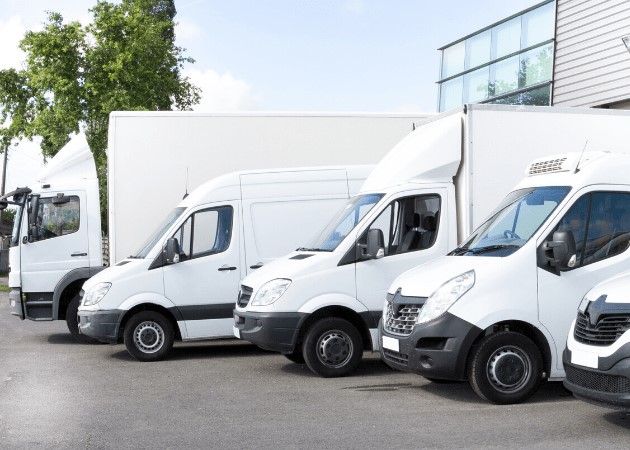
In Kenya, speed limiters are a mandatory requirement for all Commercial Vehicles (with tare weight exceeding 3 tons) and Passenger Service Vehicles (P.S.Vs).
The KS 2295-1:2018 standard specifies requirements for the performance and installation of devices designed to limit the maximum road speed of motor vehicles by control of engine power.
Old speed limiters introduced via the “Michuki Rules” were prone to tampering. The government in 2013 moved to introduce a new standard for digital speed limiters, and amended the standard in 2018 hence KS 2295-1:2018.
The new device has various mechanisms to prevent tampering, and at the same time has data recording and online transmission capabilities, allowing law enforcement officers to retrieve speed data when required.
WE ARE EXCLUSIVE INSTALLERS OF BSL SPEED LIMITERS.
Features of BSL Speed Limiters
Speed Limiter
Limits the speed at preset speed.Geo fencing speed
limitation. Specific speed limit value at specific areas.
Tamper proof
The maximum speed will be 40KM/HR if the speed
governor is tampered with. This is as a result of cutting the sensor or
gps antenna.
Data Storage
Data will be stored for 72hours onboard but will be stored
for 1 year off board (on the tracking platform)
USB flash download data
Flash disk will be used to download data for
the last 72 Hours.
Printer
This is used to print speed violations for the last 1 hour. It is
portable
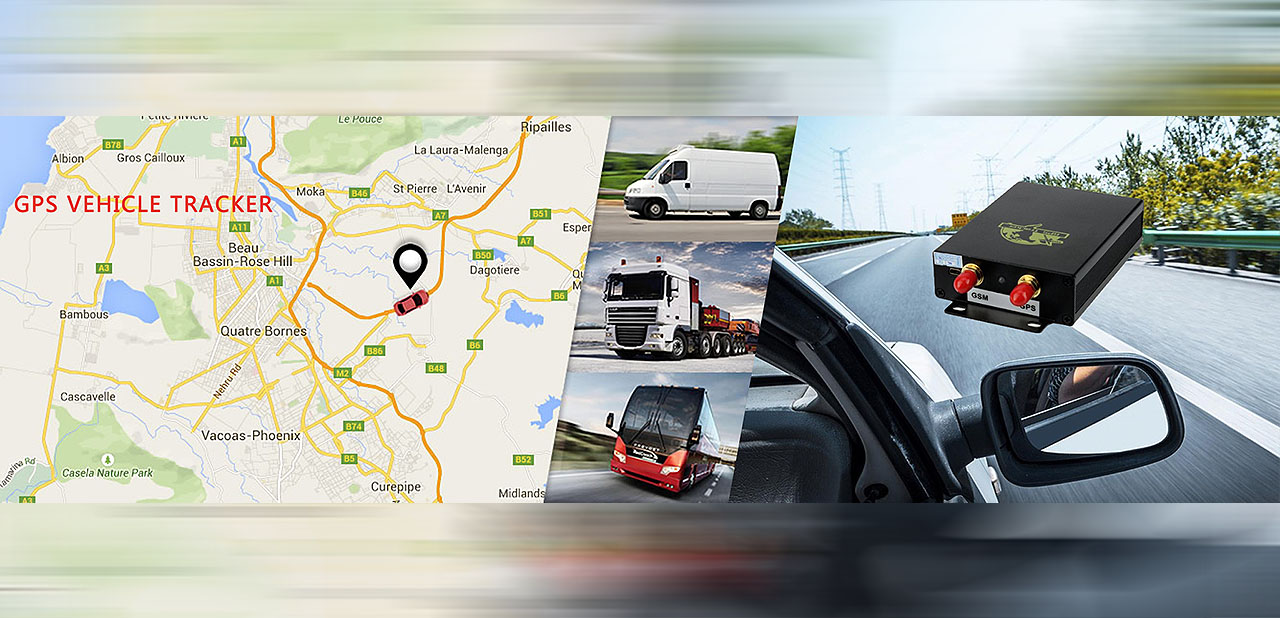
Trackers
Our supreior trackers have outstanding features:
Real-Time Location Tracking
Location tracking is at the foundation of fleet management. It's where the phrase "dots-on-a-map" was born. GPS vehicle tracking systems began with a need to know where vehicles and assets were at all times for numerous reasons.
Awareness of where your drivers, vehicles, and equipment are at any given moment allows you to respond more rapidly to emergencies. It also enables you to make sure you send the right vehicles, people, and resources to the right places. More simply, the number one reason companies need real-time location tracking is for an anti-theft system. Many businesses see an instant, massive return on investment (ROI) even in one instance of recovering a stolen vehicle or asset.
However, not all fleet tracking systems are actually "real-time" solutions. Some providers only offer periodic updates of their GPS tracking devices. In short, they only send data every two minutes, three minutes, or even longer. So, if it's vital to your business to have actual real-time data, then you need to ask providers how often their tracking device update. Finding this out is especially important in cases of anti-theft—seconds matter in scenarios of theft.
Some vehicle tracking providers even offer tiered options where they charge more for faster updates, much like a cell phone company charges more the more data you use.
Customizable Alerts
Fleet management customizable alerts are always at the top of the must-have vehicle tracking system features. Receiving real-time notifications regarding driving behavior to vehicle diagnostics can open opportunities for reducing risk and improving efficiency, which goes right to the bottom line.
For example, real-time tracking alerts regarding wasted fuel because of poor driving habits or high idle times can reveal areas for improvement. These improvements go right to the bottom line when you can reduce fuel costs by even 5-10%.
Customizable alerts range from:
Odd-Hours Alerts: Alerts when vehicles and assets move during a specified time range, i.e., between 10:00 PM and 6:00 AM.
Long Idle Times: Alerts when vehicles are idling for a specified time range, i.e., longer than 10 minutes. You can send an additional message telling the driving to shut the vehicle off that time.
Speeding Alerts: Alerts when vehicles either travel over a specified speed (i.e., 75 mph) or the posted speed limit of a road. I.e., when they go at least 10 miles per hour (MPH) or more over the posted speed limit.
Vehicle Maintenance Due: Alerts when specified vehicle maintenance is due or coming due. These alerts can be anything from oil changes to tire rotations to vehicle inspections.
Vehicle Maintenance Scheduling
Vehicles are the lifeblood of your operation, so keeping them up and running will always be a top priority. Vehicle tracking systems that can monitor their health will allow you to keep tabs on your vehicles and assets.
This functionality means spotting new maintenance issues, addressing them immediately, and ensuring that preventive maintenance is scheduled and completed on time. Vehicle downtime can severely impact your business if one or multiple vehicles are out of commission for long periods.
It's imperative to make sure that vehicles receive the service they need when they need it. Doing this prevents smaller issues becoming catastrophic ones and so that you're not performing repeating maintenance on neglected problems.
Route Optimization and Scheduling
Today's vehicle tracking systems relieve businesses of the headache and potential mishaps of scheduling drivers' routes with pencil and paper. Before implementing vehicle tracking technology, most companies have issues with overlapping routes, drivers taking a long way, or not sending the closest vehicle to the next job. There can also be significant time wasted communicating with drivers by phone telling them their next stop or updates to their current route.
Vehicle tracking automated dispatch lets drivers know at the beginning of every day where they are going and the route they will take. Vehicle tracking systems arrange routes the most cost-effectively and accompanied by details like customer requests or unique delivery requirements. This feature can streamline communication, increase productivity, and help maintain a high level of customer service by improving arrival times. Most companies using the technology also usually see more revenue to the bottom line because this functionality often translates to their drivers completing more jobs per day.
Route optimization is a natural outgrowth of vehicle tracking systems. It takes into account traffic patterns, accidents, road work, bridge heights, and other factors that impact routes. As a result, you can improve response time, reduce mileage and fuel consumption, fit more jobs into a day, and improve customer service. Real-time data about current conditions gives you the ability to make quick, informed decisions that maintain efficiency and meets customer expectations.
Measuring Vehicle Utilization
Measuring utilization is emerging as a crucial indicator of efficiency and total cost of ownership (TCO) for vehicles.
Knowing which vehicles and how often they are used — particularly in shared-services operations — is vital in measuring whether you have the right kind and the correct number of vehicles. Fleet tracking systems are the only way to measure this critical metric. Trying to do so with an Excel spreadsheet will likely lead to perpetuating inefficiencies, which could increase budget outlays for vehicles not in use.
Vehicle tracking systems provide comprehensive utilization reports that give you all the necessary data to make informed decisions about your vehicles and assets. It might translate into a need for right-sizing your fleet, or simply improving your vehicle efficiency.
Driver Behavior Monitoring
One of the most challenging aspects of a mobile workforce to monitor and improve are its drivers. This difficulty is usually because of the "Big Brother" mentality that so many have. However, you can quickly dispell this notion.
Think of it like this - football coaches review the game film with players to improve their performance. Sales managers review calls with sales representatives to improve close rates. Managing drivers is no different, nor should they have any exception.
Monitoring and improving driving behavior is essential for your business to run at max efficiency and productivity. It's not a tool used to implicate them or watch their every move. It's a tool to improve their performance and grow your business.
Vehicle tracking systems provide visibility into a host of various driving behaviors. These insights include data from speeding, rapid acceleration, and harsh braking to their average time spent at jobsites. Reports can reveal the start and stop times of their days that can validate timecards or show padded hours and the reason you might see high labor costs. Utilizing reports and customizable alerts enables you to coach up your drivers to improve their performance proactively and hold them accountable.
Start the Process of Benefiting from a Vehicle Tracking System
These top six features of a GPS tracking system are just the tip of the iceberg when it comes to what this technology can do. There are other factors to consider, such as how easy-to-use the software is, whether or not the provider offers a mobile app, and how robust their geofence capabilities are. Integrating with other third-party business software can also be vital for operational efficiency.
The critical thing to remember is that the features you will require from such a system depends entirely on what business challenges you are looking to solve.
To begin your process of implementing a vehicle tracking software, speak us regarding the features that can benefit you and receive pricing information instantly
Fleet Management
As any company with a fleet will know, a fleet management system is an indispensable tool to ensure cost-efficient and productive operations. From accurate vehicle tracking to fuel management, we have highlighted the five must-have features you need in your fleet of vehicles, and their benefits, below:
GPS vehicle tracking
The GPS tracking device is essential on a GPS vehicle tracking and fleet management system. Once the technician installs these devices into your fleet, you can access real-time location and movement of any of your vehicles. This information can be accessed through a professional telematics solution so you can accurately know where your vehicles are, where they were when they began the journey, where they stopped and for how long. Apart from increasing productivity, you will also improve customer service, as you will be able to inform customers of vehicle arrival times. Sensors that detect fuel-levels, open doors, and more can also be added to the system to improve cost-savings.
Driving behavior analysis
The best fleet management systems will have a feature to monitor and measure driving behavior. A driving behavior analysis module allows you to analyze acceleration, harsh braking, speeding, and over idling, among others. Feedback can then be shared directly with drivers to help them correct poor habits and help to prevent accidents. It will also generate significant reductions in fuel costs as drivers are driving more economically. Maintenance costs and downtimes also tend to decrease.
Fleet alarms
Alarms are an incredibly useful feature for companies to respond quickly to any difficult situation regarding their fleets. Fleet management software should allow you to create custom alarms according to your needs; for example, an alarm can be set to monitor speeding or the temperature of heat-sensitive goods. Staying alert to changes is important to ensure vehicles are operating cost-effectively and productively.
Fuel management
Efficient fuel consumption is a key concern for fleet managers as fuel costs represent a large part of the budget of a company. With this module, you can monitor fuel levels 24/7 and see how often vehicles are being refueled and drained. This helps you and your team to identify cases of leaks or theft quickly. You can set alarms to warn you and the driver immediately, whenever draining takes place and get a permanent measurement of the fuel level in tanks. Average fuel consumption is also calculated, per vehicle and time period.
Route planning and monitoring
Is your fleet taking the optimized route? This feature will help you to monitor the execution of routes and anticipate future events, supporting your fleet management decisions, minimizing fuel consumption and increasing productivity. Customers will enjoy faster arrival times and better customer experience.
CCTV & Access Controls
With that out of the way, let us look at the various list of features that you must have in your security camera system, in no particular order of importance.
High-Definition and Wide-Angle Video:
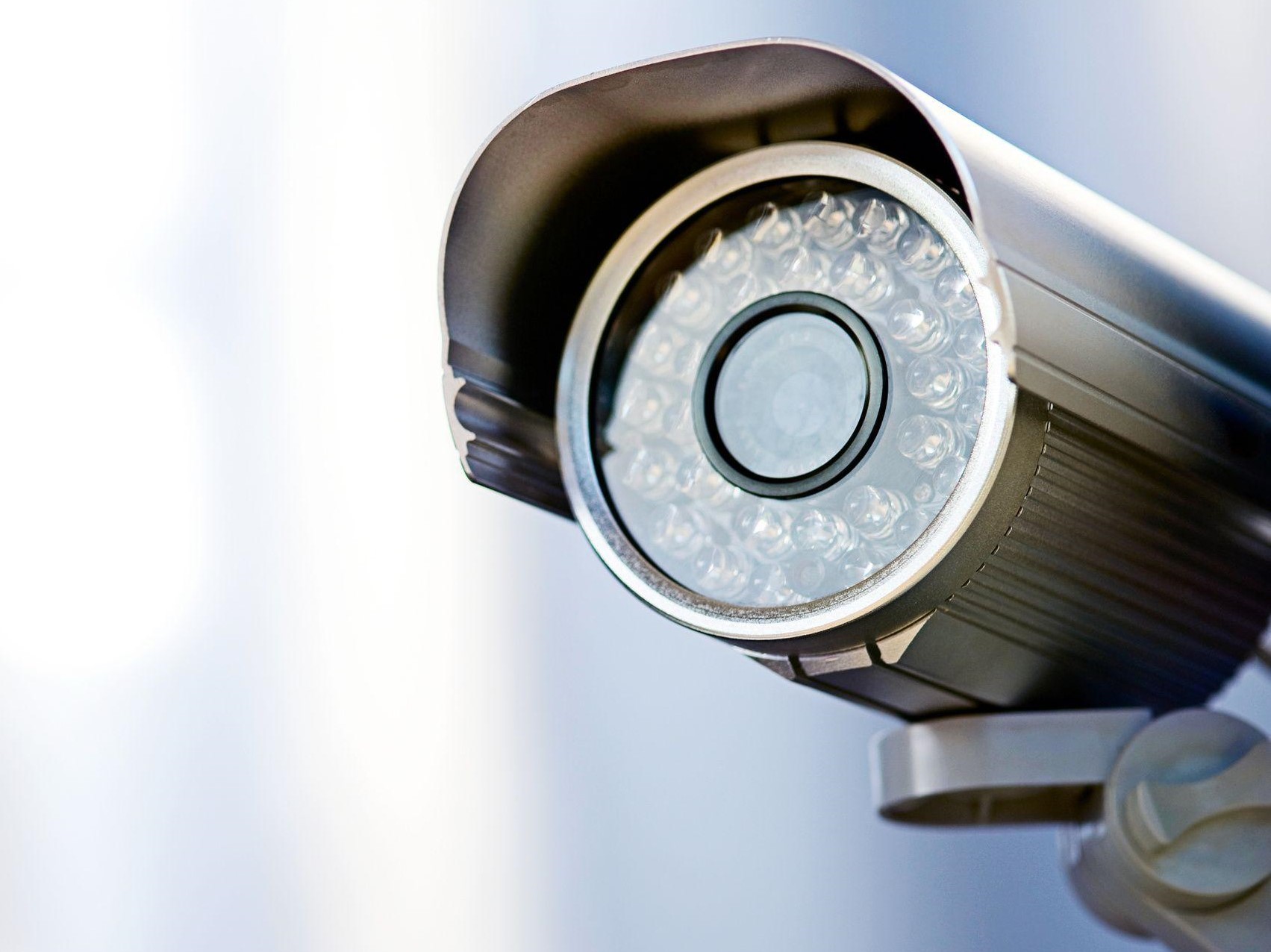
Even the most basic mobile phone comes with an HD video recording function. The why would you not expect the same from a modern security camera? HD or Hi-def means 1080p resolution. 4K or Ultra-HD (or UHD) cameras are still a bit expensive, but if you are reading this sometime in the future, they may already be commonplace. The footage recorded by HD cameras is crystal clear and distinctive, allowing you and law enforcement officials to detect the smallest details. Additionally, consider wide-angle cameras. These cover a larger area with a single camera, often eliminating the need to install multiple cameras.
Wireless Technology:
The clearest pictures are no good if the camera feed can be cut off by snipping a cable. You will want cameras that can transmit the recorded footage wirelessly without degrading its quality. Wireless cameras and related security camera systems also usually come with some form of remote feed and control system. Smaller variants of these cameras can also be installed in cars, providing an additional layer of security to your vehicle.
Night Vision/Low-Light Cameras:
You should invest in night-vision cameras or at least those that are capable of recording in low-light conditions. Contrary to what movies would have you believe, these cameras do not produce a green monochrome video. Most cameras record footage that resembles regular black and white videos. The more advanced camera systems use infrared or heat-vision cameras for completely dark areas where simple night vision does not quite cut it. This option, however, is not necessary for every home but is definitely a good option for commercial spaces.
Remote Access and Cloud Backup:
Remote access to the recorded video and live feed from your security cameras is crucial. Almost every modern urban home security system comes with some kind of companion app what gives you varying degrees of control. This means that you are able to see live footage from the camera on your mobile phone while you are way, even in another city. You may even be able to activate and deactivate the cameras remotely. Besides the ability to monitor your home when you are away, it also gives you control over how and where you can access your security system. They are also usually integrated with other smart home devices, allowing you to dim the lights or turn on your water heater from the same app. Security systems also allow you to store your footage on the cloud, creating backups and archiving footage for later use.
Speakers: Security cameras with speakers may sound pointless but they are a step up from speaking over an intercom or through the door. You can see and talk to a visitor without installing an additional intercom system. There are potentially more uses for such cameras. It can be used to calm and soothe pets when you are away, or monitor the outside of your home when you hear some strange noise at night.
Motion Sensors and Automation:
Another technology that has been glorified in the movies, motion sensors and motion-activated security camera systems are much more commonplace than most people believe. The primary advantage is that it cuts down the amount of footage being recorded, saving you tonnes of storage space. It also helps save your internet data as it needs fewer backups to the cloud. More advanced motion detection systems come with movement tracking too. These cameras literally turn and follow a person in their field of view. The motion sensors can also be used to trigger alarms, alerting you to intruders.
These are but a few of the essential features of home security camera systems. There are various other features that you can opt for should you need them. Discuss your needs and options with professionals to find the best setup for your home and your family.